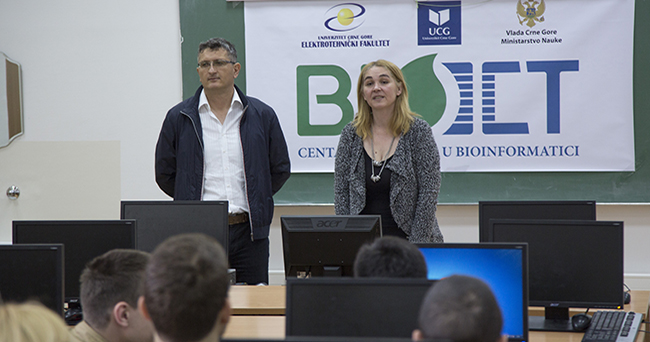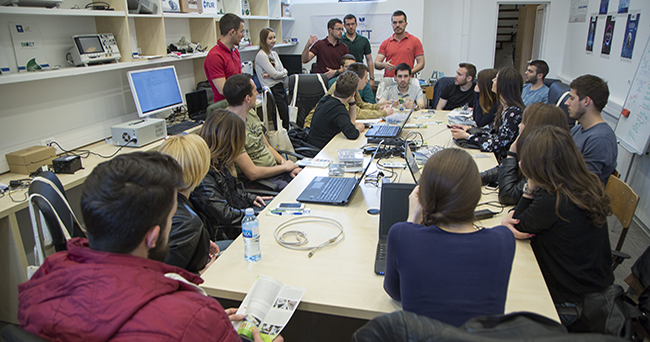
BIO-ICT CENTRE OF EXCELLENCE MONTENEGRO - Where Science meets Business
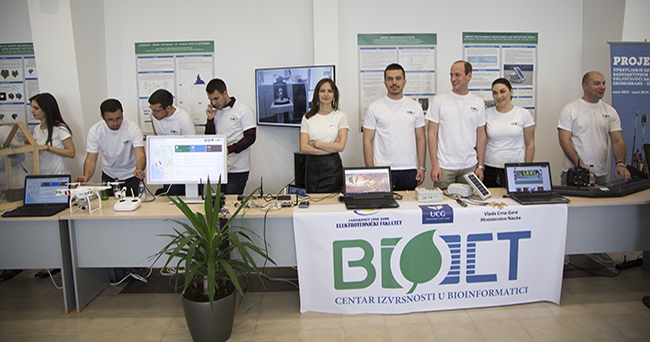
BIO-ICT, as the first Centre of Excellence in Montenegro, creates a specific innovative ecosystem focused on development and implementation of novel bioinformatics technologies. BIO-ICT has been exploiting its capacities towards unlocking and utilizing potential of the Montenegrin South Adriatic Sea and inland rural areas, bringing innovative ICT based solutions in various bioeconomy sectors, related to food security, blue growth, bio-based innovation for sustainable goods and services. At BIO-ICT we combine specific scientific and innovative expertise in ICT, life sciences and ecological monitoring. Through synergy with industrial partners, BIO-ICT is progressing towards the goals of transferring research results into innovative products and services for boosting economic and social development, bringing into focus smart agriculture combined with environmental protection.
In every area of the contemporary business world, progressive companies face an ever-increasing demand to innovate. We at BIO-ICT believe that Montenegro is a prime location for research and development. We are creating an outstanding environment for the productive collaboration between industry, academia and government agencies. All stakeholders working together will position Montenegro as a knowledge-based economy and as a primary location for RD&I.
Our objective is to create an open, welcoming and vibrant centre that will inspire our teams and partners to push the boundaries of scientific innovation.
BIO-ICT scientific aim is the development of modular and state-of-the-art BIO-ICT R&D platform in the areas of sustainable agriculture, monitoring of the crops, forest and water/sea ecosystem, development of techniques for controlling and reducing air pollution, analysis and standardization of food products, control of land quality, and improvement in the public health area. A developed pilot system is service oriented with the aim to boost the application and use of the latest ICT technologies (IoT, SDN, NFV, Cloud Computing) in the areas of agriculture, marine biology, environmental monitoring as well as health, smart objects, transportation, energy, etc.
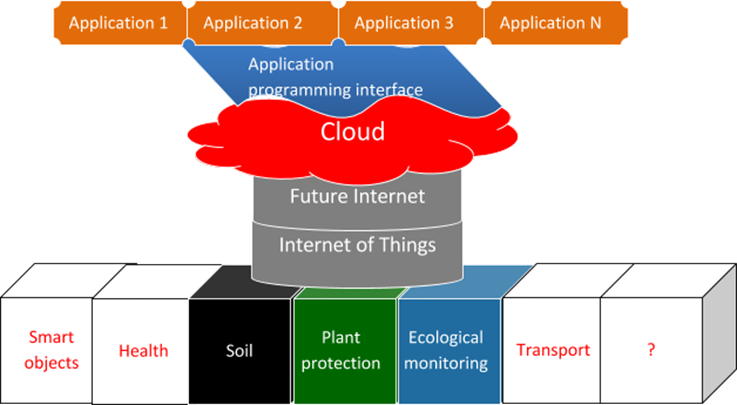
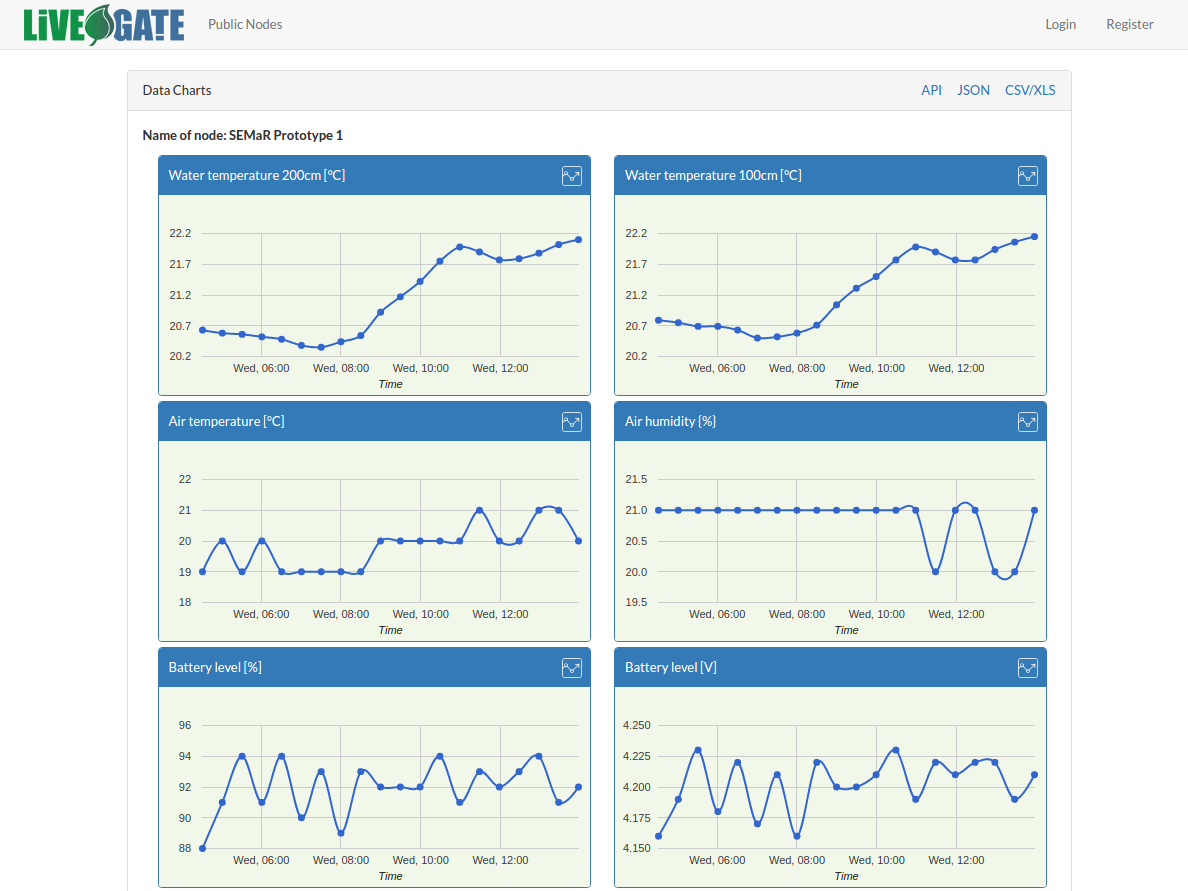
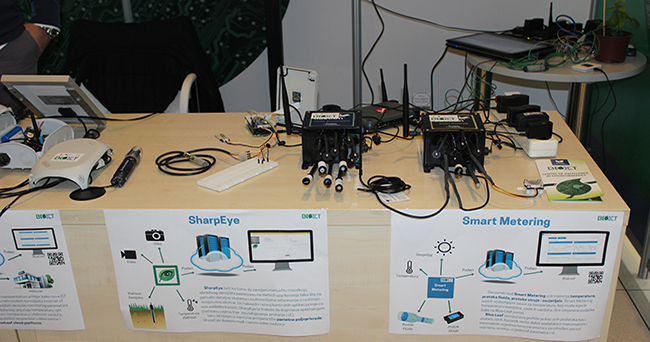
LiveGate is an IoT platform developed by Faculty of Electrical Engineering researchers, which enables its users to easily send data from various sensors to the cloud. The data are stored in a database and graphically presented to users, with the option to be exported in different formats (JSON, CSV/XLS). The solution has been implemented using open source tools: Linux, LAMP stack, PHP programming language, and Laravel framework. The data integration has been tested using sensor nodes based on Arduino, Raspberry Pi, Libelium Plug and Sense, and PC. The solution is open for further development with respect to additional IoT protocols, data types, and interfacing to analytics tools.
Currently, the work is focused on integrating Octave, R and Python programming languages with the LiveGate platform. Users now can choose from a variety of predefined analytic tools, such as data plotting, histogram plotting, calculating data parameters such as mean, maximum, minimum, median value or standard deviation, calculating data correlation from a single node and performing data clusterization; but they can also upload custom script.
It is this functionality that makes LiveGate advanced in comparison with other available IoT platforms. Additionally, it is planned to make the platform exportable, so it can serve as a standalone project which can be installed on other servers. In this way, a potential user would not have to necessarily rely on the BIO-ICT data centre.
At the moment, LiveGate is used actively at BIO-ICT soil and water monitoring, and it will be upgraded for larger commercial use.
SEMaR platform, developed at the Faculty of Electrical Engineering, represents an example how the new ICT solutions, using the technological concepts of Internet of Things, can improve ecological monitoring of seawater parameters. The IoT features, incorporated into the platform, include: data measuring, data transfer, data processing, data analysis and presentation, and finally decision-making upon the processed data. The aim of the system is to enable automated and online ecological monitoring and processing of seawater parameters, avoiding direct human involvement in water sampling and manual processing of measured parameters later on.
The core architecture of the system is comprised of three important structural parts: the sensing unit (sensor probes) for measuring the water and air bio-parameters, the processing and communication unit with the microcontroller platform and the cloud-based data visualization platform.
The sensing unit of the platform consists of the sensor probes used in seawater ecological monitoring. The parameters of interest are water temperature, pH level, dissolved oxygen level and salinity. These are the most indicative parameters of water pollution and can be used as an early alarm. Two water temperature probes (at different depths od 1 and 2 meters) and pH level low-consumption probe are integrated in the prototype of SEMaR system in the testing phase. Air conditions can also influence the water parameters so the air temperature and humidity sensor probes are also integrated.
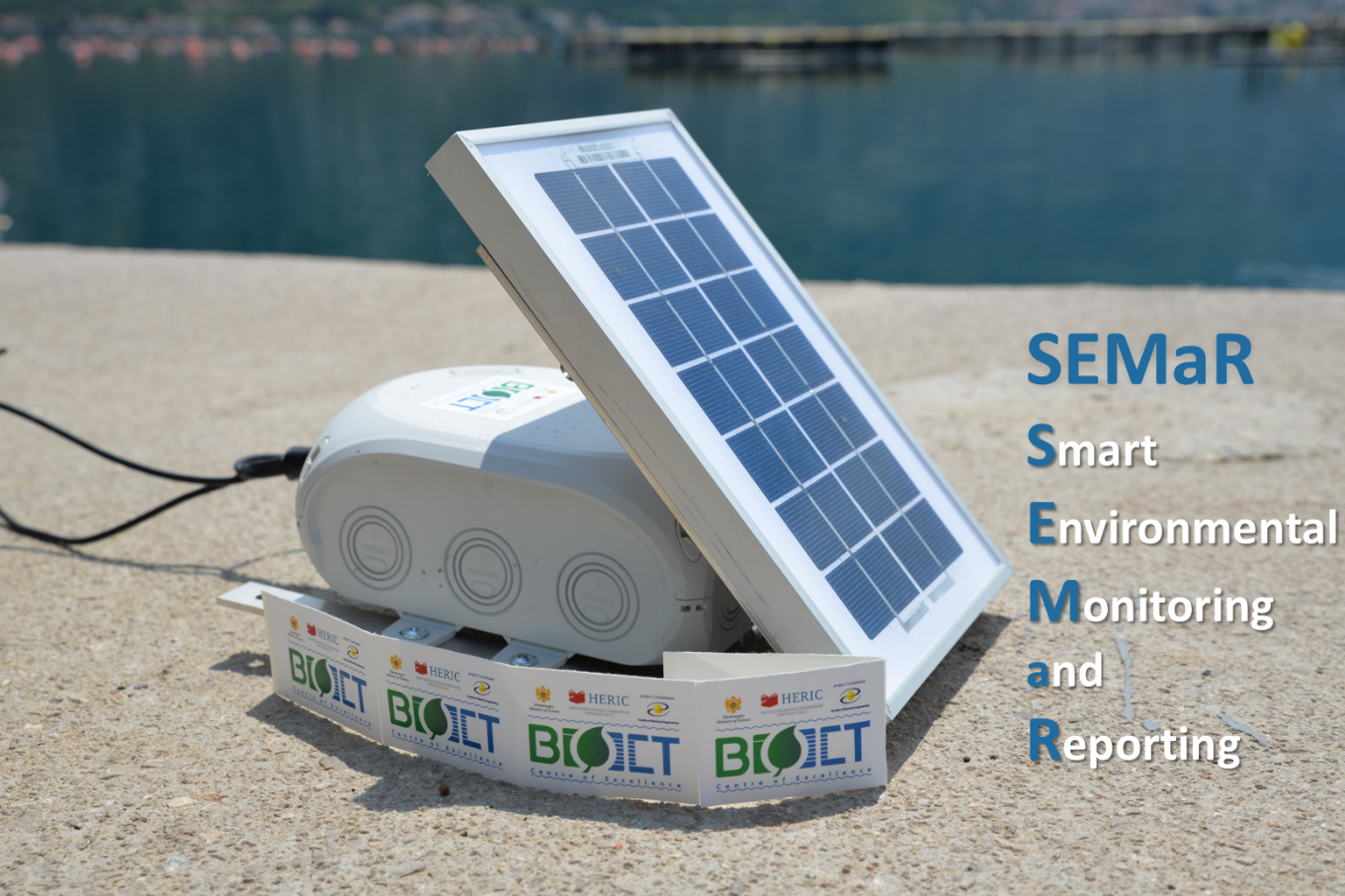
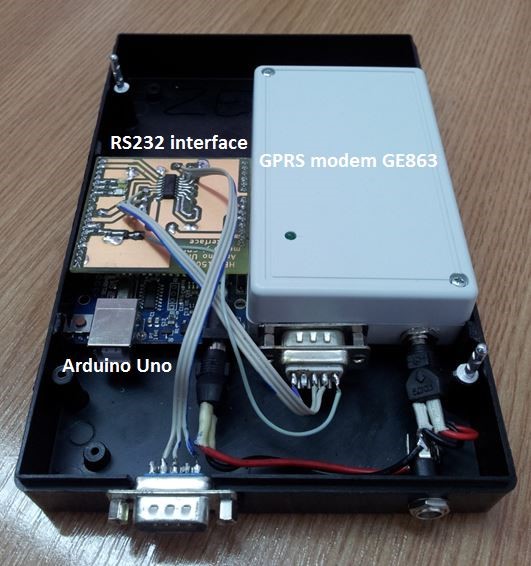
The processing unit consists of the microcontroller and communication module. The Arduino microcontroller platform is the central part of the system. Its main purpose is to collect the sensor probes’ measured data, process it and send it to communication module. The communication SIM900 module is in charge of processed data wireless transmission into the data center. The Real Time Clock (RTC) module integration enables the system to easily configure the time intervals for data measuring and transferring. The favorable light conditions on the sea level were important in choosing the solar power unit. It is a “green energy” solution that makes the power independent.
The aim is to fully equip the SEMaR system with all IoT systems’ capabilities in terms of communication protocols, energy consumption, hardware and software integration. The cloud based data visualization is also enabled for the purposes of data storage, presentation, detailed analytics and decision-making.
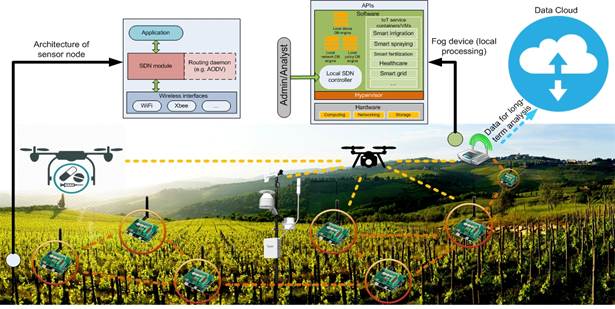
Software Defined Networking (SDN) IoT platform with centralized control plane allows the implementation of sophisticated mechanisms for traffic control and resource management. Upgraded by fog computing technology it also enables data to be analysed and managed at network edge, thus providing support for applications that require very low and predictable latency.
Faculty of Electrical Engineering researchers in cooperation with researchers from the University of Bologna have been developing SDN-based Internet of Things (IoT) platform for centralized management of multiple, diverse (geographically separate) software-defined wireless sensor networks (WSNs). The platform is designed with the ambition to enable users to access the services of the IoT networks via requests of the simple format, which contain only abstracted description of the desired information (e.g. the level of illumination in particular street or temperature on specific location).
This is made possible by the specific user-platform, platform-WSN and intra-WSN models of communication, coordinated by IoT orchestrator and master SDN controller, which maintains centralized view of configurations and capabilities of each WSN within its control area. Currently, our testbed infrastructure involves WSN with tens of sensor nodes. Similar testbed is deployed in Bologna and used for joint verification of IoT platform performance. The research is focused on two use-cases: 1) smart agriculture and 2) smart cities.
Digital Soil Mapping
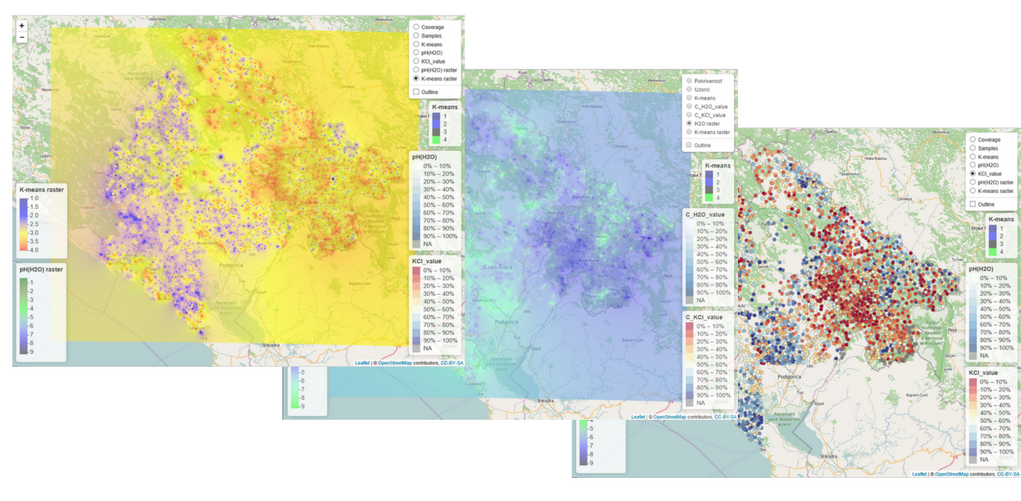
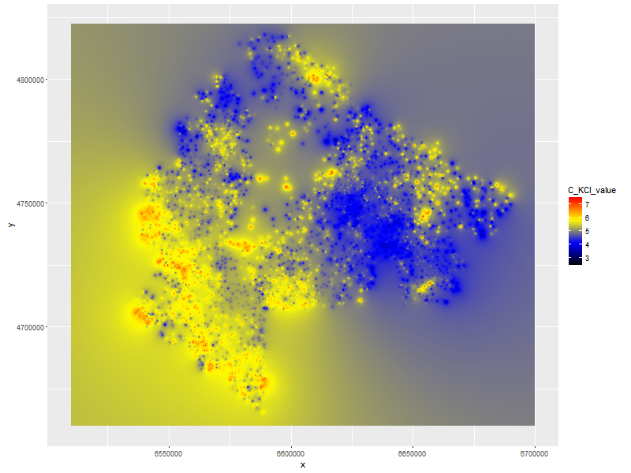
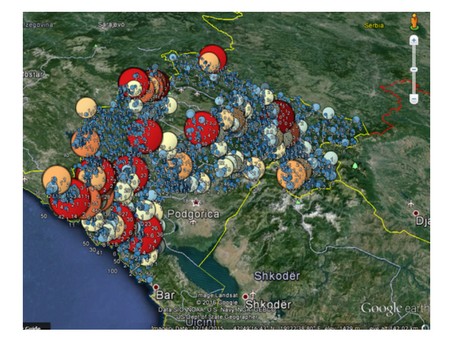
Digitalization of the soil database has been done for the first time in Montenegro by BIO-ICT researchers. Soil database of Montenegro, which contains values of physical and chemical parameters of soil, is used for clustering. Clusterized soil data has been presented on dynamic map and compared with existing pedologic map made by human experts. In addition, by using spatial interpolation distance weighting and results of K-means clustering, different types of thematic pedologic maps were made and integrated into WEB application.
Smart irrigation system
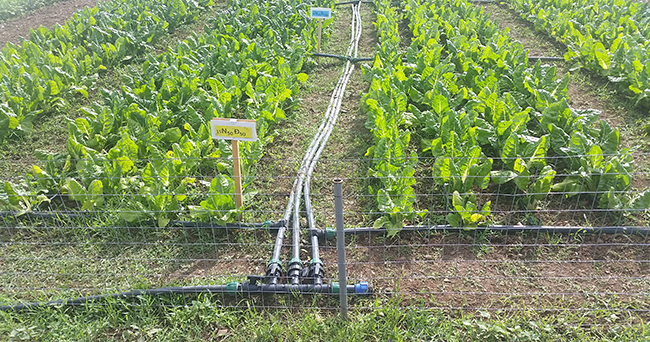
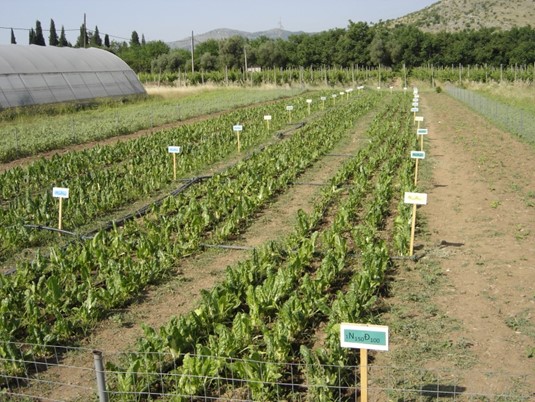
We are testing this system at the field of our commercial partner Green House Jovović. Smart irrigation system allows easy and flexible irrigation process by providing optimum water consumption according to the needs of the plants. The most important input parameters of the algorithm for smart irrigation, in addition to soil characteristics, are moisture and soil temperature, humidity and air temperature and plant’s tissue humidity. The collection of these data is allowed by using Wireless Sensor Networks (WSN). Based on the obtained data, using the specially developed algorithm for smart irrigation, main controller unit determines the moments of switching on and off solenoid valves that regulate the flow of water. The system for automatic control of the irrigation is developed and it will be upgraded later with the algorithm for smart irrigation and WSN. It provides the possibility for users to configure the time schedule for irrigation, where the closing of the valves can be scheduled based on the duration of irrigation or amount of water that is released. Configuration and control of the system can be performed manually, on the main control unit, or remotely, by commands sent over the SMS service. Information about current configuration and amount of released water are sent to the user by SMS report and to remote server for further analysis and graphical presentation. The main control unit can be remotely configured using the Android application, providing easy and flexible control of the irrigation process.
BIOPORTAL - bioportal.me
Bioportal.me is portal intended for farmers and people who buy their products.
Portal consists of four parts:
- Agromar Market
- Agricultural Issues
- BIO-ICT services
- Advertisements
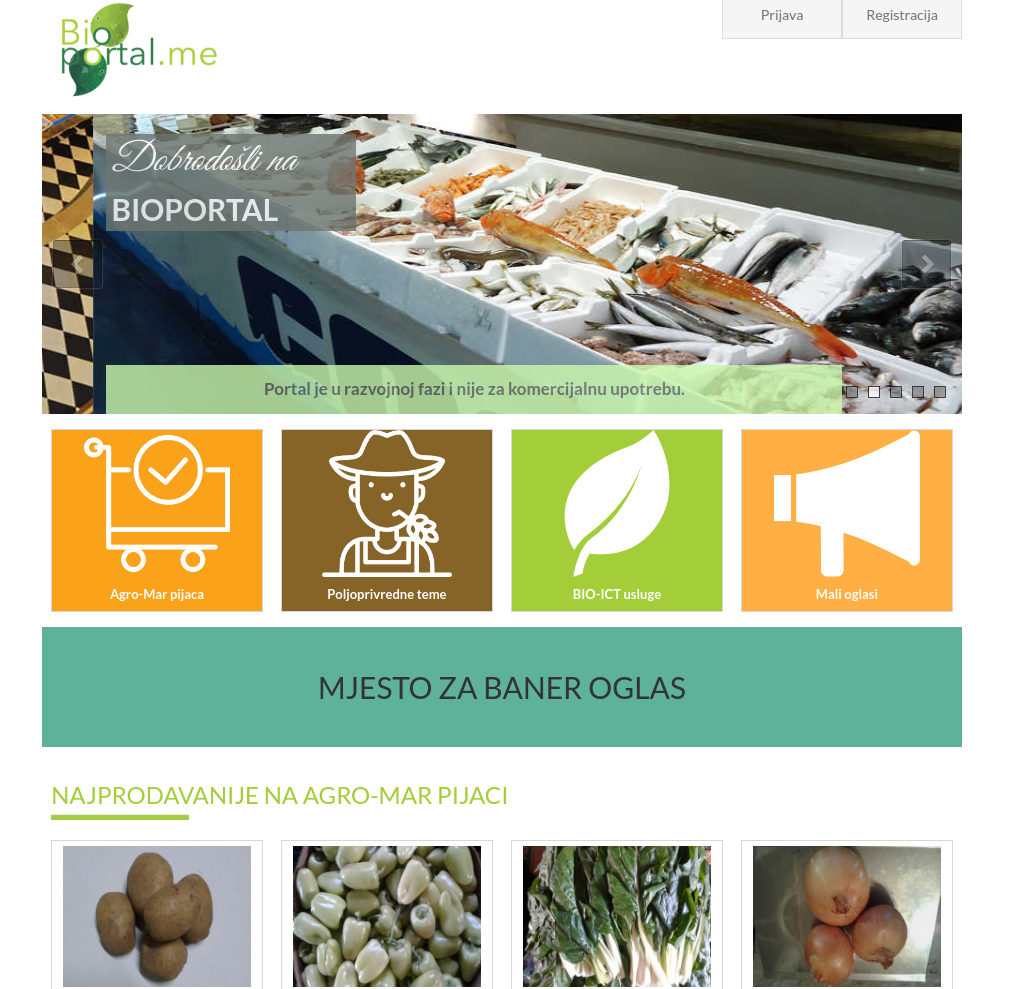
Currently, Agromar market is in the development phase. It allows agricultural producers to sell their goods to users of the portal. The whole system Agromar market contains several types of profile, like profile for farmers who offer goods, profile for customers. Also, the portal notifies by mail in exactly defined time sellers and suppliers about their orders. Customer has a number of options, such as ratings of products obtained, commenting etc.
Food Chemistry
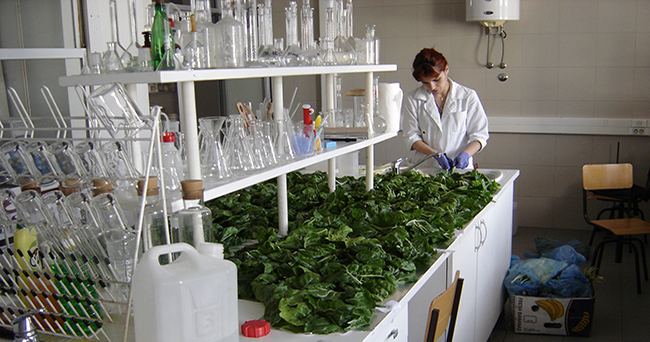
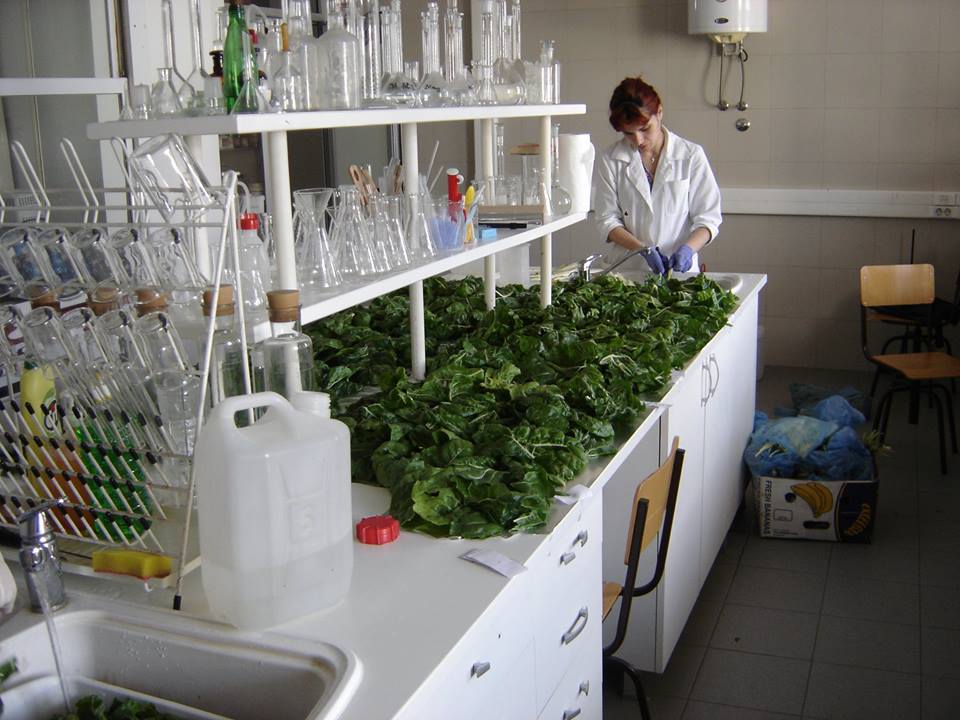
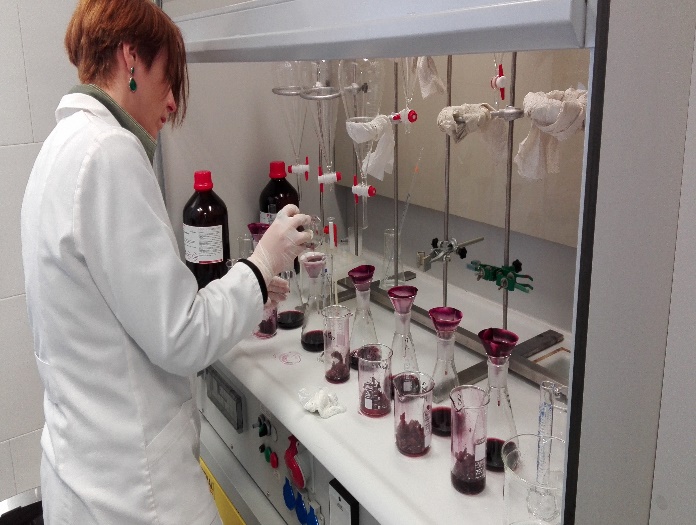
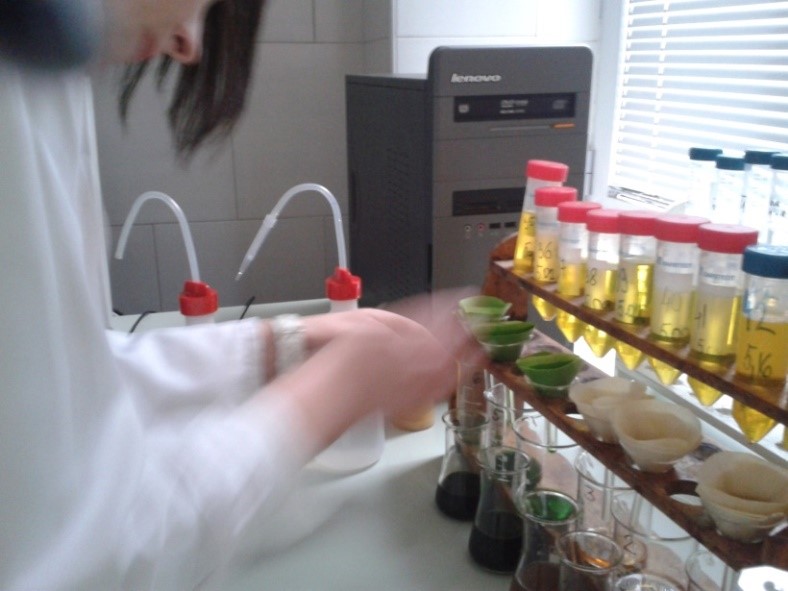
At the Institute of Public Health laboratories we are conducting researches about food chemistry. Macronutrient components of commonly used vegetables are determined as well as micronutrients components. Since, antioxidant components are very popular in a present time among food and nutrition chemistry, we have been developing strategies of different sample preparation for antioxidant analysis. From literature we get methods for antioxidant analysis using spectrofotometric and HPLC (MS) techniques (available equipment from IPH). Also, currently we are trying to activate sulforafan from fresh, frozen and lyophilized collard green samples in order to provide a process that produces a collard greens supplement or concentrate with high levels of sulforafan.
Ecological Monitoring
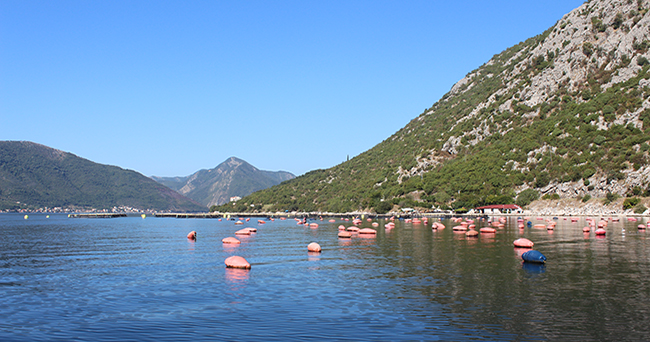
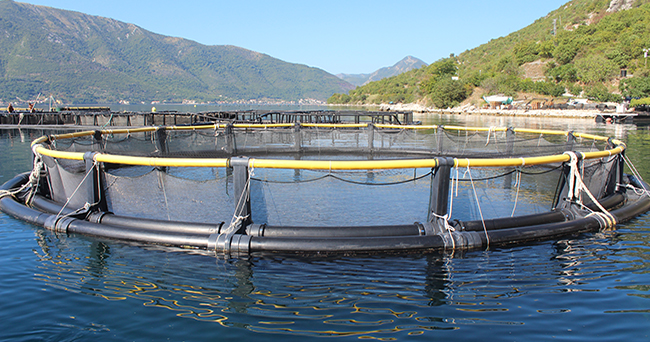
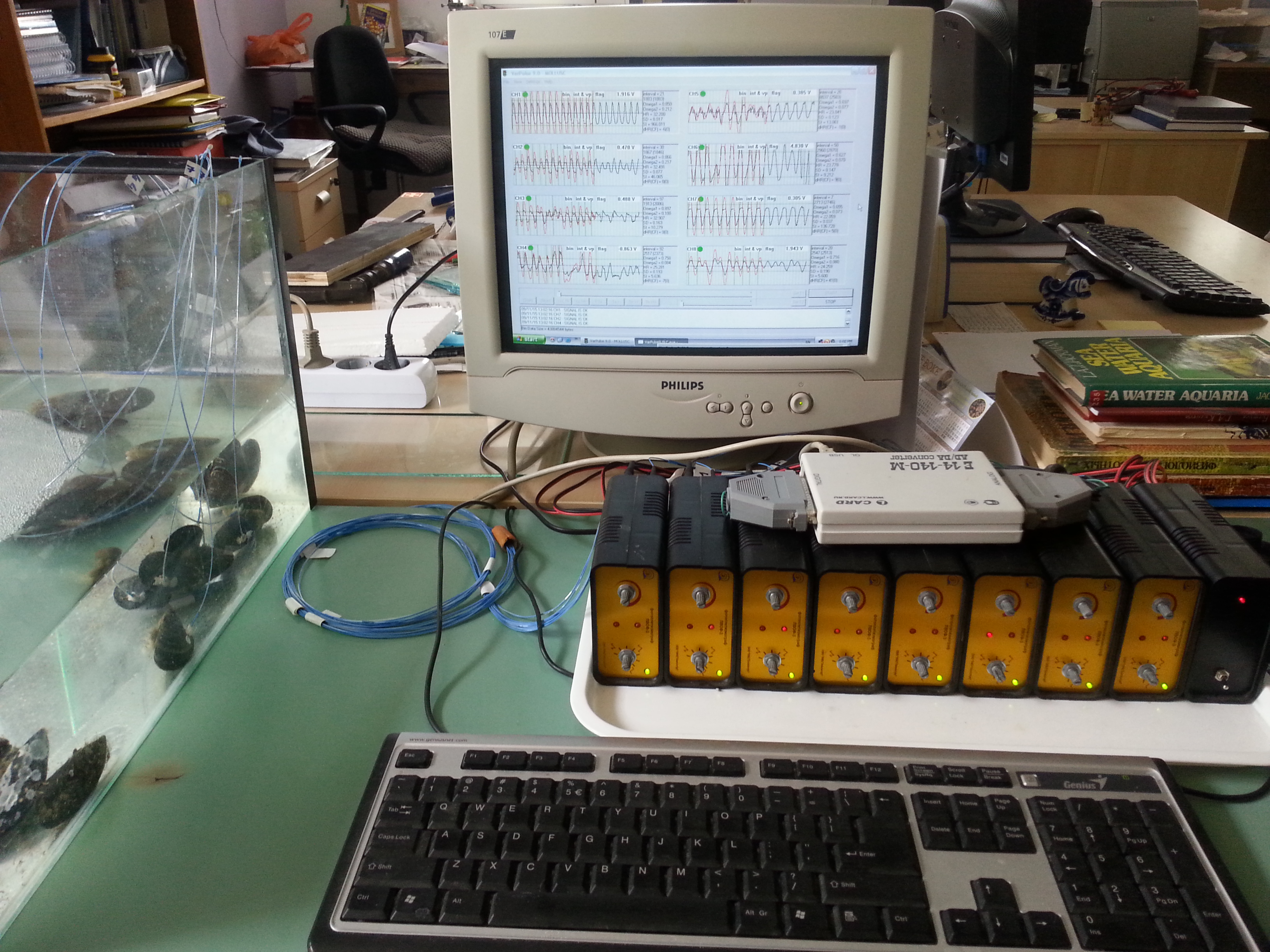
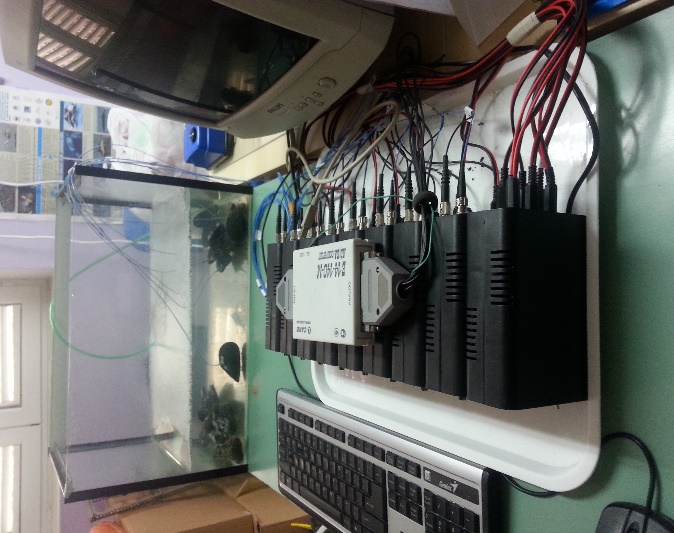
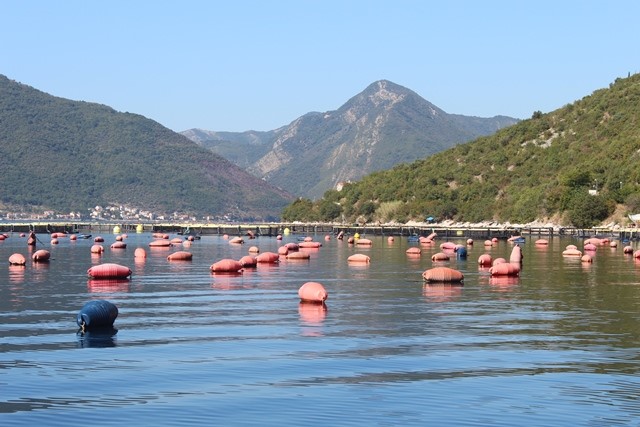
Biomonitoring of heart rate and behavioural activities of mussels performed by Institute for Marine Biology started in April 2016 year on the mussels and fish farm of our commercial partner COGIMAR. Biomonitoring based on physiological and behaviour parameters is performed for the first time in Montenegro, as well as in the Mediterranean. Biosensor monitoring can provide daily insight into the marine ecosystem state.
In the area of marine ecology and chemistry, qualitative and quantitative analyses of phytoplankton were performed as indicators of water quality. And it was also identified that phytoplankton organisms are toxins producer. In area of integrated multi-trophic aquaculture (IMTA) we get data about how fish farming influence on mussels farming in integrated system and compare it with monoculture mussel farming. Important part of investigation is analysis of shells biodivesity in the Boka Kotorska Bay, which will be base for introduction of new species in the farming process, diversification.
Controlling diseases at Montenegrin Vineyards
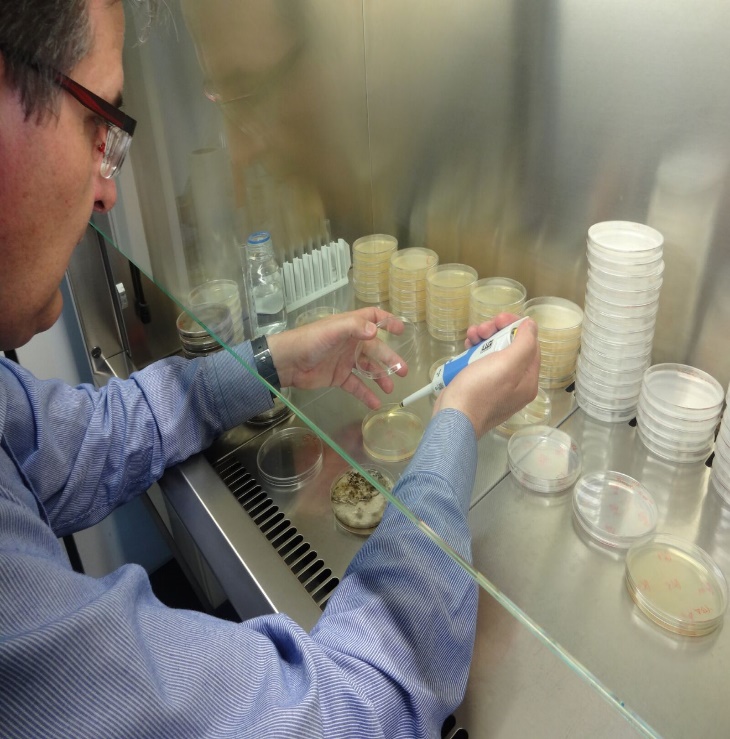
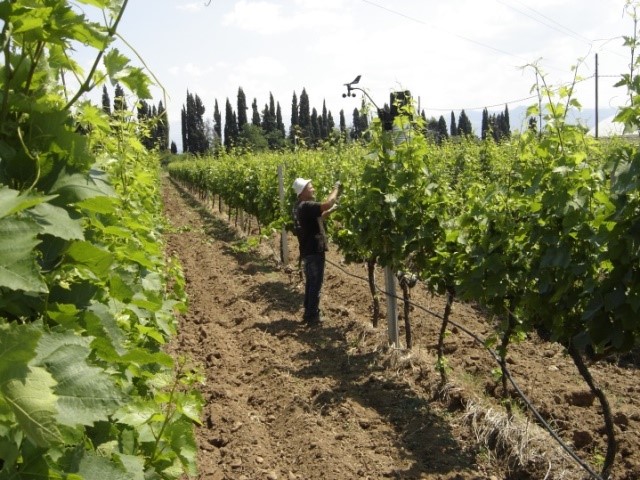
BIO-ICT researchers from Biotechnical Faculty are working at their experimental field and laboratories on method development to determine possible resistance in certain plant pathogenic fungi towards the most frequently applied fungicides in some of the agricultural crops.
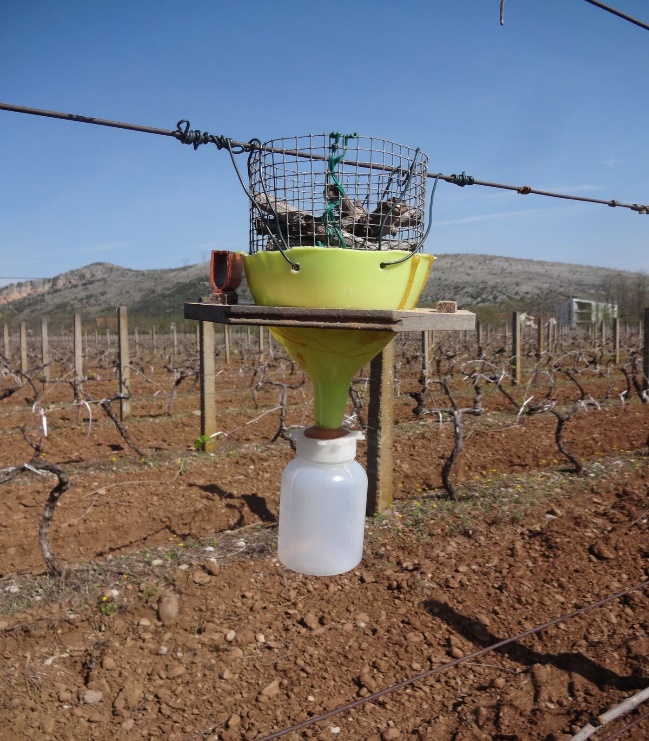
For better control of diseases in Montenegrin vineyards, researchers develop measures for preventive protection in order to reduce the utilization of plant protection products. The required data are collecting from meteorological stations and after that processing in a proper way. Based on these data and observations made in a vineyard, real possibility for realization of the infection is assessed.
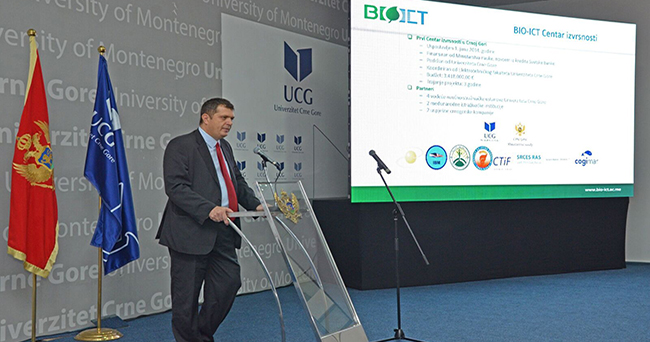
BIO-ICT Centre of Excellence is the first Centre of Excellence in Montenegro, implemented as a three-year research programme at the University of Montenegro led by the Faculty of Electrical Engineering, financed by the Ministry of Science of Montenegro through a World Bank loan from June 2014.
Besides the Faculty of Electrical Engineering, partners on the project are three leading Montenegrin research institutions: Biotechnical Faculty, Institute for Marine Biology, Institute of Public Health; two international universities: St. Petersburg Scientific Research Centre for Ecological Safety and Centre for TeleInFrastruktur (CTIF); and two successful Montenegrin SMEs: COGI doo and Green House Jovovic doo.
Faculty of Electrical Engineering (FEE), a unit of the University of Montenegro (UoM), was established in 1961. FEE has a long tradition in fundamental and applied research in various related fields of science. FEE now employs 35 teachers (professors, associated professors, and assistant professors) and 25 teaching and research assistants. Approximately 70% of teaching staff has experience in teaching and research activities abroad, mainly in EU countries and the USA. So far, about 2200 students have graduated at the FEE about 130 of them on graduate studies. Today, being an institution of high education and research, the FEE has three departments: Department for Power Systems and Automatic Control, Department for Electronics, Communications and Computer Engineering, Applied Computer Engineering. Within the departments, when research activities are concerned, the staff is organized in total 9 research centres and laboratories. FEE has established collaboration with numerous institutions and foreign researchers from the USA (Villanova University, University of Pittsburgh), France (Ensieta, INP Grenoble), Finland (Tampere university of technology), Germany (Ruhr university Bochum, University of Darmstadt, Fachoshule Bohn Rhein Seig), Austria (Technical university Wien), Croatia (Rijeka university, University of Zagreb, University of Split), Ukraine (National aerospace university), Canada (Department of defence, Centre for radars) etc.
Biotechnical faculty (BF) in Podgorica is the oldest scientific-research institution in Montenegro. Beginning of scientific-research work in area of agriculture dates from 1937, when Research Station for Southern Cultures in Bar was founded, and during the fifties five more research stations were founded, too. Very soon after that (in 1960), all of them were associated into Institute of Agriculture, lately renamed to the Biotechnical institute in 1997. With establishing study programs in agriculture, Biotechnical institute changed its name to the BF in 2008. Main activities of the BF are: Research, Higher education, Services. Its activities are carried out through the organization of fundamental, applied and developmental research in many field of plant production, animal husbandry, forestry and in the related production technologies. The BF researches are carrying out the national and international research projects and closely collaborate with different stakeholders in the agricultural sector. Organizational structure of BF is corresponding to the main research activities. Thus, the BF consists of ten research departments: Department for agricultural economy, Department for Land and Melioration, Department for Forestry, Department for Plant Protection, Department for Field crops and Vegetable production, Department for Livestock production, Department for Veterinary, Department for Vineyard, Fruit growing and enology, Department for Subtropical fruits, Department for Continental fruit growing.
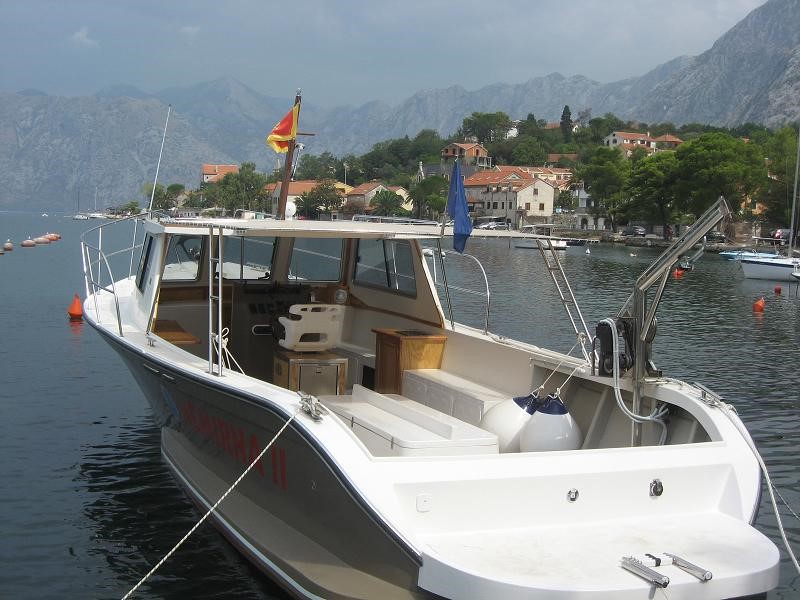
Institute for Marine Biology (IMB) was founded in 1961. From 2004 the IMB joined the UoM, whose member it remains to this day. This is the only institution in Montenegro dedicated to the research of the sea, grouped into several linked areas: biological, ecological, taxonomic and hydrographical research of the marine life population dynamics and suggestions for rational exploitation of the economically important species of fish, crustaceans, and cephalopods neurophysiologic research on marine organisms research and protection of flora and fauna as well as the hydrographical properties of the Boka Kotorska bay advancement of the marine fisheries and aquaculture and dealing with the artificial fertilisation of certain economically important species of marine organisms oceanographic research of the south. Adriatic preservation and advancement of the environment in the south Adriatic area (Montenegrin littoral). The main goal of the research at the IMB is familiarisation with the animal and plant populations of the south Adriatic, their relations with the biotic and abiotic factors, the interaction between the sea and the littoral, and the scientific interpretations of the changes in the ecosystem due to the climatic and anthropogenic influences. All research done at the IMB is ecological in nature, as it looks at the Adriatic Sea — specifically its southern part including the Boka Kotorska bay (as a natural phenomenon) — as a complex system. Besides the fundamental research, the IMB is involved in many projects of a more practical nature, including the conservation of the environment, marine fisheries, aquaculture, integrated coastal area management, through which scientific research is put to practical use.
Institute of Public Health (IPH) is licensed scientific-research institution. As a preventive-medical-health organization at tertiary level of health care system, it covers: monitoring, researching and studying of population health and health culture, influence of environment on protection of population health, causes, spreading and prevention of infectious diseases, factors of risk of chronic non- infectious diseases and other diseases of high social-medical significance as well as organization, working and development of health service and proposing and caring out appropriate measures for prevention and improvement of population health. Among other tasks, the IPH deals with healthy lifestyles, quality of nutrition and nutrition habits, analyzing of health quality of foods, consumer goods and drinking water. The IPH monitors, analyses and evaluates influence of environment (air, soil and noise) on population health. There are six centers at the IPH: Centre for Science, Centre for Health Promotion, Centre for Disease Control and Prevention, Centre for Development of Health Care System; Centre for Medical Microbiology, Centre for Hygiene and Health Ecology.
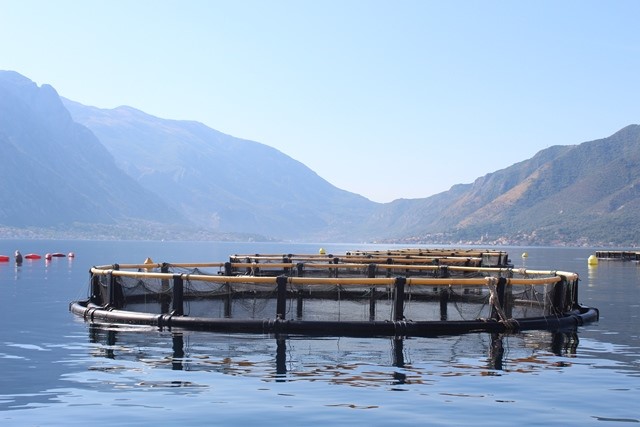
COGImar d.o.o. is the first Montenegrin company dealing with sea shells and fish farming, e.g. production of food from the sea. Company was established in 2001 and since then annual production is approximately 30 tons of sea shells (Mediterranean mussels) and approximately 150 tons of fish (sea bass and sea bream). Company products are placed on Montenegrin market and on the markets of neighbouring countries. Company COGImar has long-term cooperation with the Institute for Marine Biology and is one of the most important partners of the Institute in the adoption of new farming technology, product quality and better methods of water monitoring, as an important component of the farming process.
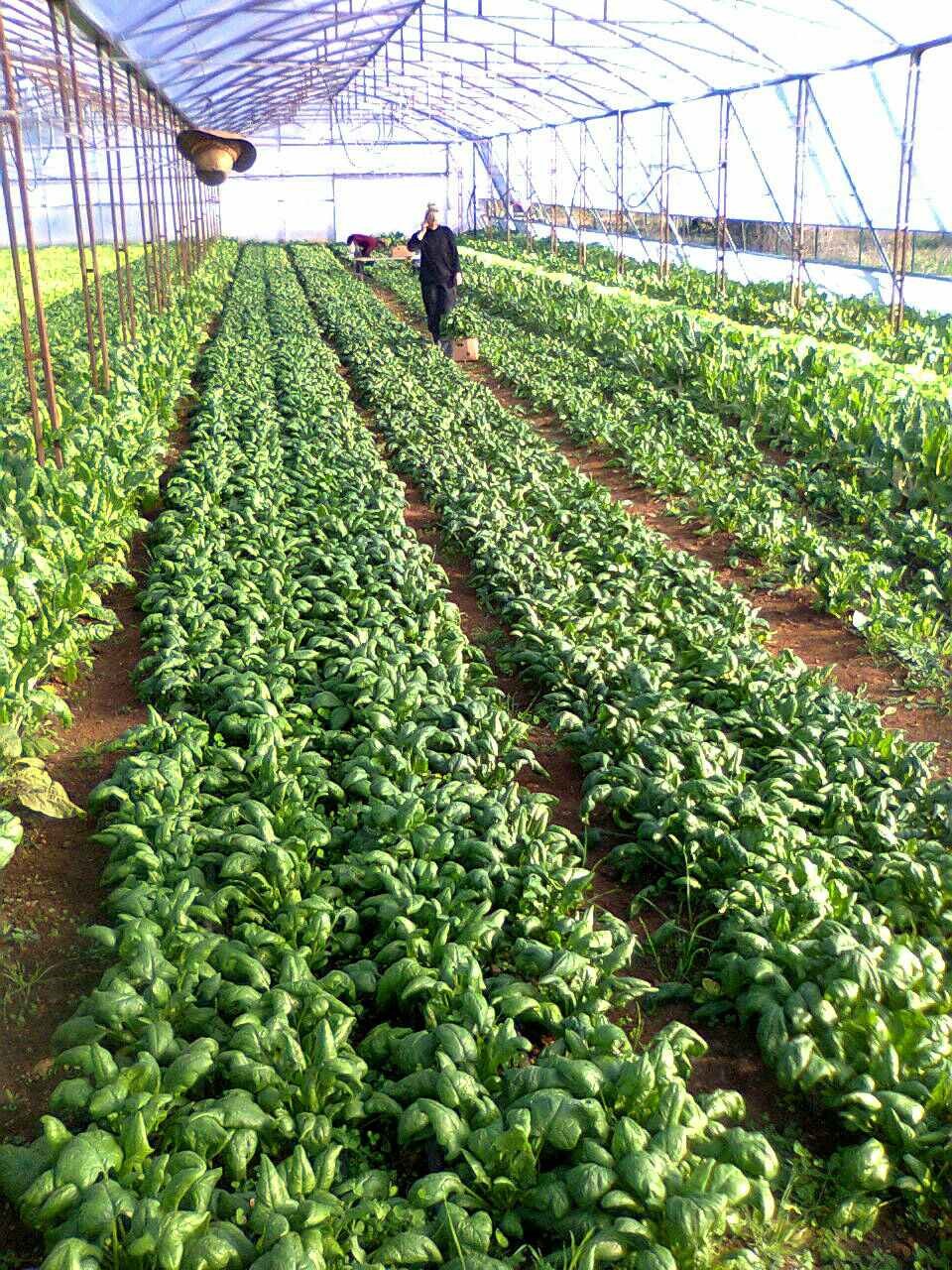
Company Green House Jovovic (GHJ) produces vegetables and field crops. The company is the largest producers of vegetables in Montenegro. It covers 1% of Montenegrin needs for vegetables. The company employs 4 members of the family and 16 employees. Production is carried out on 12 ha of agricultural yield, of which 11 hectares of open yield and 1 ha of greenhouses. The total expected production in the current year amounted to 1 000 000 kg of various vegetables.

The St. Petersburg SRCES RAS is accredited as the State scientific organization conducting research in the field of environmental and natural-resources protection. The scientific-methodical and scientific-organizational activities of the Institute are guided by the St. Petersburg Scientific Centre. The Institute conducts fundamental and applied research in the field of the general theory of ecological safety with the focus on the processes, effects, and phenomena in the bio-, techno-, and sociosphere, ensuring ecologically safe sustainable socio-economic development of nature-economy systems of various hierarchical levels, in particular: prediction and prevention of dangerous situations of the natural and technogenic origin; analysis of ecosystems global change problems; ecologically safe sustainable development of regions and megalopolises; identification of environmental risk territories (zones) by remote sensing of the Earth’s surface; ecol-economic principles of the complex balanced use of natural resources. Many of the Institute’s staff members perform expert functions in ecological expertise of federal and regional projects. The main application lines for the research outcomes are as follows: recommendations on creation and development of the international system of collective ecological safety, including preparation of suggestions for international Conventions; scientific accompaniment to the activities of the national system of ecological safety, including suggestions concerning the legal framework development; creation of geo-information and expert systems in the field of ecological safety; solving practical tasks in ecological safety (eco-audit, ecological insurance, ecological expertise (EIA), eco-management); assessment of potential and actual damage to the natural environment and human health due to the functioning of nature-economy systems; implementation of methods and facilities for real-time diagnostics of the condition of technogenic impact sources; recommendations on application of hybrid methods in judicial investigation practice for analyzing samples with unknown composition with the aim to reveal and identify suspected pollution sources; implementation of methods for microbiological detoxification of harmful matter; designing and presentation of demonstration models of instruments, facilities, and systems intended for successful implementation of the research outcomes.
Centre for TeleInFrastruktur (CTIF) at Aalborg University is an ICT-based inter-/cross disciplinary research centre with focus on scientific innovation and academic education. CTIF currently has more than300 scientists from different parts of the world and is globally represented through its divisions, CTIF-Italy, CTIF-India, CTIF-Japan, and CTIF-USA. Key activity goals are directed at carrying out top-notch research in the area of ICT infrastructure. CTIF has as a main objective to significantly advance the fundamental knowledge in telecommunication theory and its applications in the communication infrastructure and to be catalyst for internationally collaborative fundamental research on pervasive telecommunications. Research performance CTIF has a strong focus on enabling long-term research with a focus on internationalization of research and strengthening of cooperation between academia and industries. CTIF has contributed to increasing the participation of third country organisations in the European and worldwide ICT research as a way to facilitate the widest diffusion and local exploitation of the ICT research results. CTIF initiated several bilateral collaboration agreements and joint M.Sc. and PhD programs with foreign academic organisations worldwide, including cooperation for exchange of visiting researchers and Ph.D. and M.Sc. students and joint research activities. A critical mass of prestigious researchers will be the core research team to carry out the work of transfer of experience and competencies, research structuring, and support of researchers’ mobility. The core team will utilize expertise from the CTIF divisions worldwide to contribute with expertise in different areas of ICT research.